LGBTQ+ 101 For Parents
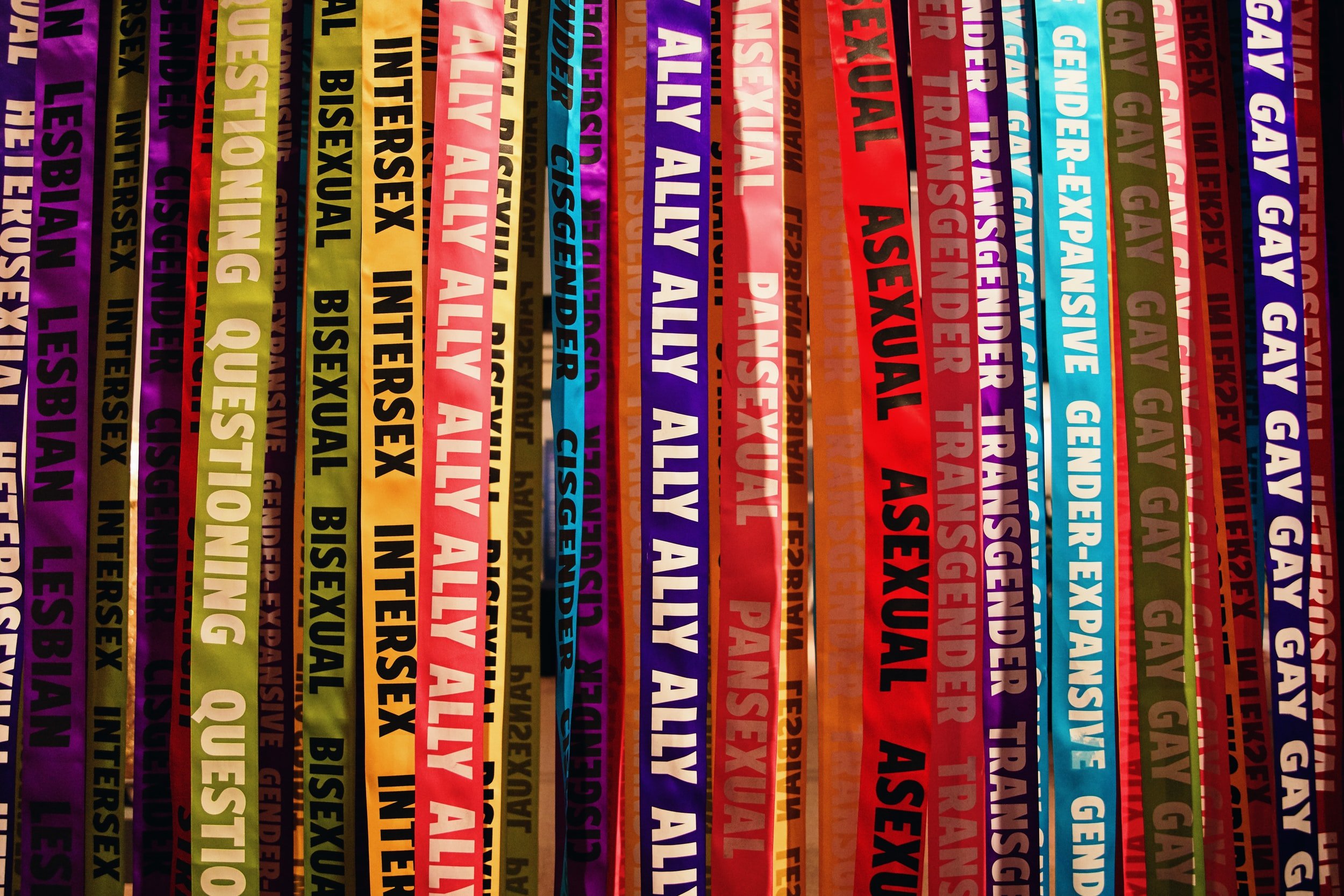
Imagine feeling constant shame…knowing you do not fit into the boxes of society…not feeling safe to truly be yourself…knowing you are a good person but are told by peers and adults you are somehow wrong for being the way you naturally are? Sadly, these experiences are typical for an LGBTQ+ adolescent. It’s no wonder these young adults are at higher risk for mental health concerns due to elevated triggers that may cause hurtful conditions like self loathing and social anxiety as they attempt to transcend conventional expectations.
The best way to gain perspective is to “flip the script” and imagine if society regularly shamed heterosexuals. Crazy right? It truly is the same. After all, members of the LGTBQ+ community don’t CHOOSE that path. It is “the hand they are dealt” from a young age.
As the parent of a demisexual biromantic teen, I do my best to be sensitive to LGBTQ+ terminology and norms for my child and their friends. But, I fall short quite a bit. I authored this post to try and provide some useful information to other parents. I hope you find it a helpful and informative way to be sensitive to the gender diverse individuals in your life.
A disclaimer: I am not a gender or sexuality expert. There is so much more information available about the terms I touch upon below. Please consider this a “teaser” of information on this very broad topic called the gender spectrum!
Sexuality vs Gender
First, let’s establish there are two distinct areas of identity - gender and sexuality.
Gender is what one identifies as, and relates to the norms, behaviors, roles and relationships associated with, including binary genders (like male and female), and everything in between under the transgender / nonbinary umbrella.
Whereas, sexuality relates to whom one is attracted to.
The acronym LGBTQ+ includes both gender and sexuality based terms.
Cis or Cisgender vs. Het
Cis (or cisgender) is commonly used by members of the LGBTQ+ community to label people who Identify fully with their gender assigned at birth.
Het (heterosexual) or Straight both refer to those attracted to the opposite gender.
For instance, I am CisHet, because I identify as the gender I was assigned at birth, and am attracted to people of the opposite gender.
Nonbinary or gender queer are terms used o identify people who do not describe themselves or their genders as fitting into the categories of man or woman (gender binary). They don’t consistently feel like one or the other.
HERE is a link to an article with a wealth of information on gender identities.
LGBTQIA+ Definitions
Definitions are always shifting, so be sensitive to that. I had no idea until I interviewed my child for this blog, that one of the latest acronyms now being used is LGBTQIA+. That is, Lesbian, Gay, Bisexual, Transgender, Queer, Intersex, Asexual and Plus. I’ve tried to explain them all briefly below.
L = Lesbian, or a woman attracted to other women.
Gay is truly a man attracted to men, OR can refer to anyone who identifies as homosexual. This is highly dependent upon terminology preferences. Some of this is generational. For instance a dear friend who is my age is a lesbian, and I have heard her refer to herself as gay. However, not ALL lesbian or transgender individuals may like being referred to as “gay.” So be sensitive here.
B = Bisexual - Attracted to all genders. These individuals might have a preference but the preference doesn’t mean they are no longer bisexual, or identify as homo or heterosexual. A related term is Pansexual, which according to my child means “you fall for someone’s personality or their soul - you do not see gender.”
T = Transgender, or those who have a gender identity or gender expression that differs from the biological sex that they were assigned at birth. A transgender boy, for example, is someone who was listed as female at birth but whose gender identity is male. Some transgenders who desire medical assistance to transition from one sex to another identify as transsexual.
Q = Queer, which is an umbrella term for people who are not heterosexual or are not cisgender. Those who identify regularly as queer consciously avoid labels. According to my child, they “don’t know and/or care” to be labeled something more specific as it relates to their gender OR sexuality. The Q can also indicate those who are “Questioning” or unsure of / still defining their gender or sexual identity.
I = Intersex - A rare condition where one is born both genders. They have the genitalia of one gender but chromosomes of the opposite.
A = Asexual - When one never feels sexual attraction. There are subcategories here, for instance “Sex Positive Asexuals” are open to have sex but don’t feel the need or attraction, whereas “Sex Negative Asexuals” are not open to sex.
+ = Plus. There are many different gender variant s and sexuality-based terms that don’t fit into the above. A handful are listed below…
Biromantic Asexual people seek romantic, but not sexual, relationships with people of more than one gender.
Demisexual - Need to have a strong emotional relationship prior to having sex.
Hypersexual - Don’t need a strong emotional bond to have sex.
Sex Repulsed - These people are disgusted by any sexual activity, and possibly even naked bodies (including their own). This can be innate or happen after sexual abuse.
Pronouns
Pronouns are especially important to the transgender community. It’s offensive to a transgender person to be “misgendered” or called a pronoun they don’t identify as. You now see many people using pronouns after their email signature to help provide perspective. It’s always appropriate to ask which pronouns an individual uses, but it’s no longer appropriate to assume someone’s preferred pronouns just by appearance.
She/Her - Identifies as a female
He/Him - Identifies as a male
They/Them - Identifies as neither male nor female. These people may be nonbinary or genderqueer and do not describe themselves or their genders as fitting into the categories of man or woman (gender binary). They don’t consistently feel like one or the other.
Deadnaming
Many LGBTQ+ individuals choose a new name. The reasons are plenty, but typically because the former name is no longer relatable for them. In some cases there is trauma related to the former name - from bullying or rape, for instance. When you refer to an individual by a name they no longer associate with (for instance, their name assigned at birth), this is called “deadnaming” them. It is very disrespectful when done on purpose, and can trigger trauma. Even when it’s not done on purpose it can be very hurtful.
Romantic Identity
It’s important to to distinguish romantic identity from sexual identity. Some people may like the romantic side of things but not want to have sex. These people may want to kiss and cuddle. Or not. They also may masturbate, but do not want someone else touching them or to touch anyone else. Some of the labels here include Pan Romantic, Aromantic and Aromantic Bisexual.
Slurs
Sometimes slurs are obvious, but other times not so much! For instance, it’s obvious to assume it’s not OK to use the term “Tran-y” to refer to a transgender individual. But surprisingly it’s acceptable (and possibly endearing) to some members of the LGBTQ+ community to use seemingly negative or derogatory terms or a tone of voice to refer to themselves or their friends. They are proud of who they are, and with this form of dark humor they are reclaiming the terms as their own. For instance, I often witness my child yell to friends “You’re GAY!” and reclaiming the F slur. Obviously it would not be acceptable for me as a CisHet person to yell the same thing. Just be careful and do not make any assumptions or judgements.
Advice for parents:
Get clarity on your child’s gender and sexuality and see how it relates to their assigned sex. Ask lots of questions - what should I call you? Who are you comfortable knowing about this?
Don’t deny or avoid. Accept. You may not understand, but accepting your child for who they are AND TELLING THEM THAT is the first step.
Try to get comfortable with it.
Remember your child cannot choose how they are as it relates to gender and sexuality - they were born this way.
It may take time for your child to figure out exactly who they are
You can’t train or coerce someone into changing
You may need to be patient as they explore and solidify their identity. My child used to go by a different name but now is comfortable with using their birth name again after doing trauma therapy.
Don’t invalidate. Not making an effort with pronouns and deadnaming on a regular basis can cause sadness, stress, anxiety, or dysphoria (extreme dissatisfaction with life and/or one’s own body).
Help your child accept themself, in any way you can. Ask them if they need to talk to an objective adult like a life coach or a therapist.
Advice for kids:
You cannot choose how you are as it relates to gender and sexuality - you are born with it.
It may take time to figure out exactly who you are; research it to determine what fits.
Try your hardest to accept yourself.
Find ways to make yourself feel validated, esp. if you are in an unaccepting household. One of my child’s friends who identifies as a transgender girl is not accepted by her parents, so she wears clear nail polish and hides hair clips beneath her hair to feel feminine.
Find your community who can be your second family.
I hope you found this introductory blog helpful. I know it was enlightening for me to interview my child to prepare for writing it. There is so much we can all do to be accepting “allies” who protect members of the LGBTQ+ community. Find a guide at THIS LINK.
Feel like your child could use an objective adult in their life to talk about these issues with? Contact me today!